

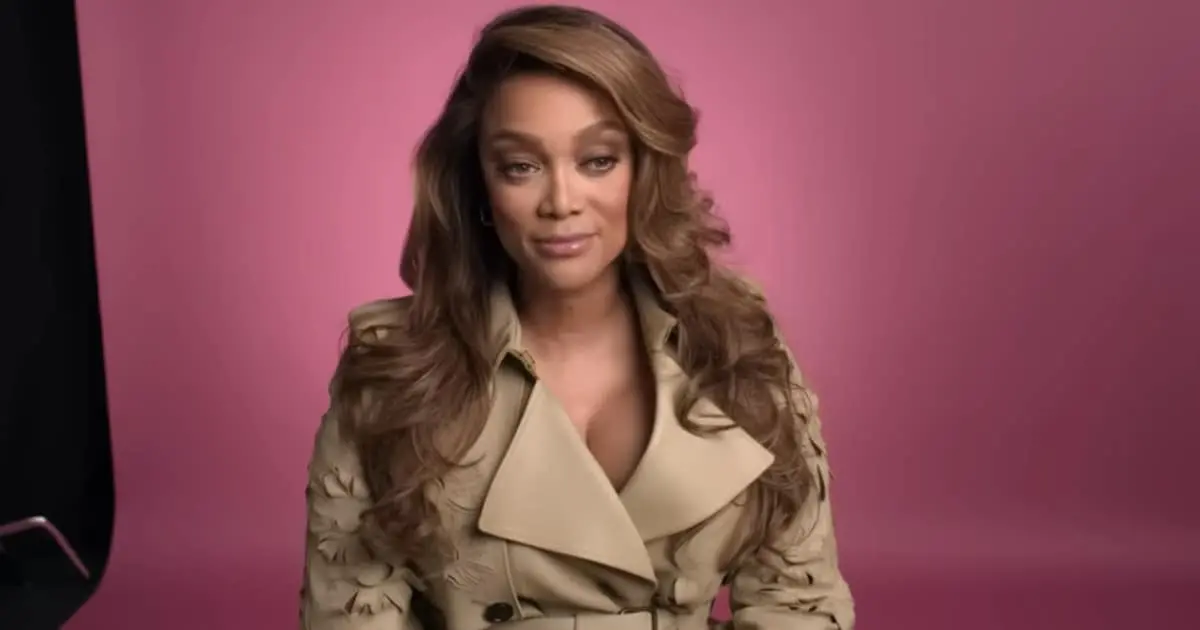
Tyra Banks, the iconic supermodel and creator of the reality competition series America's Next Top Model (known internationally as Top Model USA), has launched a legal battle against Netflix. According to court documents obtained by People magazine, Banks filed a defamation lawsuit against the streaming giant following the February 2025 release of the documentary Top Model USA: The Dark Side of the Dream. The lawsuit alleges that the documentary presents a deliberately misleading and defamatory portrayal of Banks and her role on the show.
The documentary, which explores the early seasons of America's Next Top Model, highlights several controversial moments from the program, including instances of body shaming, psychological manipulation, and alleged mistreatment of contestants. Former participants and judges appear on screen to share their negative experiences, painting a picture of a toxic environment orchestrated by Banks. However, Banks maintains that her own account was manipulated through selective editing.
According to the legal filing, Banks sat for an extensive interview lasting three and a half hours. She claims that she provided detailed answers, acknowledged mistakes, and took responsibility for certain decisions made during the show's run. Yet, when the documentary aired, only 16 minutes of her interview were used. Banks asserts that those 16 minutes were carefully chosen to support a predetermined narrative that casts her in a false and damaging light. She argues that the edited clips remove important context, particularly her expressions of remorse and accountability for the show's most controversial elements.
“I gave my side of the story, but what viewers heard was the deceptive tale the producers chose to tell,” Banks states in the lawsuit. She emphasizes that the passages where she admitted fault over “the most controversial moments of the program” were entirely cut from the final version. This, she claims, constitutes defamation and intentional infliction of emotional distress.
Background of the Documentary
Top Model USA: The Dark Side of the Dream was released on Netflix in February 2025 to significant media attention. The series promises an inside look at the reality competition that dominated television from 2003 to 2015. With 22 seasons and numerous international spin-offs, America's Next Top Model was a cultural phenomenon. The documentary revisits the show’s early years, a period often criticized for its harsh treatment of contestants. Through interviews with former participants such as Adrianne Curry (season one winner), Yoanna House (season two winner), and Elyse Sewell (season one finalist), the documentary alleges that the show’s production team deliberately subjected contestants to extreme weight loss, public humiliations, and psychological pressure in pursuit of dramatic television.
One of the most remembered controversies involves the show’s weight-related comments. Banks herself famously told a contestant, “You are way too fat to be a model,” a phrase that resurfaced in the documentary and triggered widespread backlash. In the lawsuit, Banks claims that such sound bites were taken out of context and that she later tried to address body image issues more sensitively. She also points out that she hired plus-size models and introduced body diversity in later seasons, but the documentary omits these positive steps.
Career of Tyra Banks
Tyra Banks is not only a television personality but also a trailblazing supermodel who broke barriers in the fashion industry. Born in 1973 in Inglewood, California, she began her career as a teenager and quickly rose to fame. She was the first African-American woman to appear on the cover of Sports Illustrated Swimsuit Issue (1996) and the cover of GQ. She also landed campaigns with major fashion houses and appeared on runways across the globe. In 2003, she transitioned into television with America's Next Top Model, which ran for 22 seasons on UPN and later The CW. The show became a launchpad for aspiring models and introduced millions of viewers to the cutthroat world of fashion.
Banks also hosted the talk show The Tyra Banks Show (2005–2010), which won two Daytime Emmy Awards. She later served as a judge on America's Got Talent and created the online platform Tyra Beauty. Despite her success, her reputation has been tarnished by allegations of mistreatment on America's Next Top Model. The lawsuit against Netflix represents her most aggressive legal response to these criticisms.
Legal Claims and Demands
In her lawsuit, Banks seeks unspecified damages, including compensation for “loss of future income.” She argues that the documentary has harmed her career opportunities, endorsement deals, and public image. The legal document details how the false portrayal could affect her ability to secure future television projects and modeling contracts. She also requests that Netflix remove or edit the documentary until her full interview is included.
Netflix has not yet filed an official response to the lawsuit. However, sources close to the streaming service have indicated that they stand by the documentary’s editorial integrity. They argue that the footage used was representative of the interview and that the documentary provides a balanced look at the show’s legacy. Legal experts note that defamation cases involving documentaries are challenging because plaintiffs must prove that the allegedly false statements were made with actual malice or reckless disregard for the truth. Bank’s claim that her interview was selectively edited may be difficult to prove unless she can show that Netflix deliberately omitted exculpatory evidence to create a false impression.
Public Reaction and Broader Context
News of the lawsuit has sparked debate on social media. Supporters of Banks argue that Netflix sensationalized the story for ratings, while critics contend that the documentary merely reflects the reality of what contestants endured. The debate echoes similar controversies around other reality shows, such as Survivor and Big Brother, where former participants have also spoken out about mistreatment.
The documentary is part of a broader trend in streaming media: revisiting and critiquing early 2000s reality television. Series like The VH1 I Love The... and recent docs on The Real World have sparked conversations about the ethical responsibilities of producers. In this case, the lawsuit underscores the tension between creative storytelling and factual representation.
Banks’ legal team has already filed the complaint in Los Angeles County Superior Court. A hearing date has not yet been set. Meanwhile, the documentary remains available on Netflix, and viewers continue to debate its merits. The case could set a precedent for how documentaries handle interviews with public figures who later claim misrepresentation.
As the legal process unfolds, the entertainment industry will be watching closely. For Tyra Banks, the lawsuit is not just about protecting her reputation—it's about reclaiming her narrative from what she sees as an unfair and damaging portrayal.
Source: 7sur7.be News