

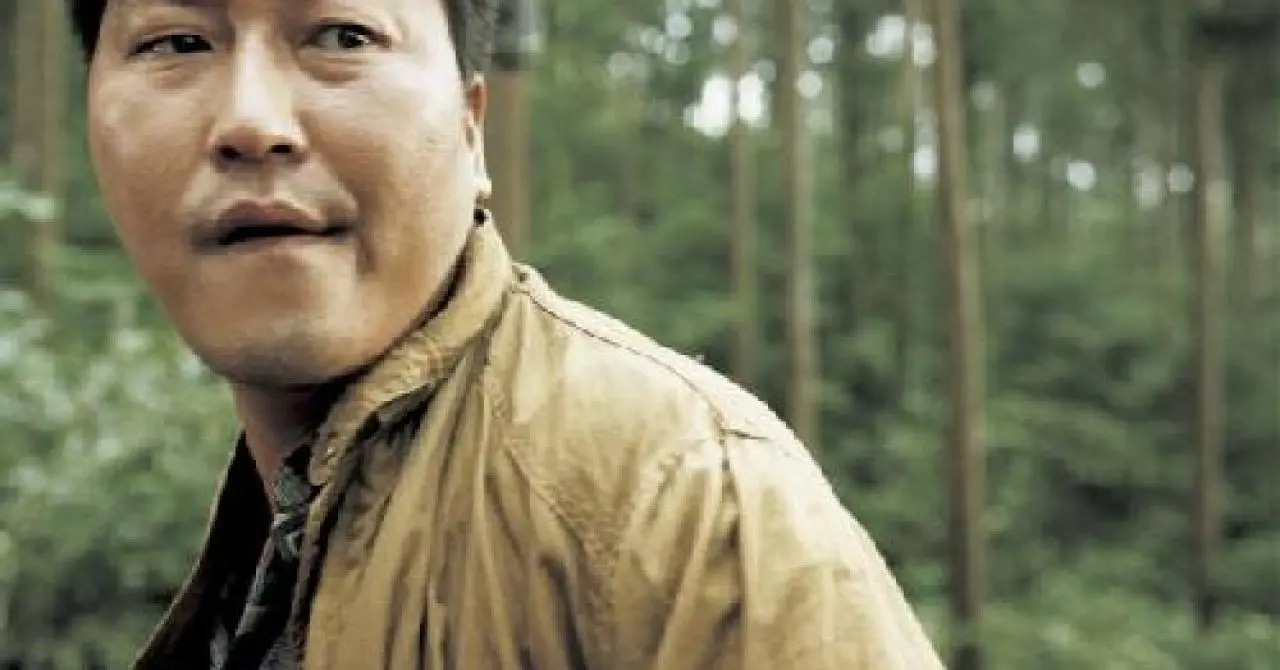
Song Kang-Ho: Key Facts Behind Three Defining Early Film Roles
Song Kang-Ho is one of the most recognizable actors in South Korean cinema, and three early film roles capture the range that made him a central figure in the country’s modern film industry. The key facts connect him to Joint Security Area in 2000, Sympathy for Mr. Vengeance in 2002 and Memories of Murder in 2003. Each title pairs him with a major director and a notable ensemble, and each film represents a different kind of storytelling: military mystery, revenge thriller and crime procedural. Together, they form a useful entry point into his career and into the creative partnerships that shaped Korean cinema in the early 2000s.
Key Facts at a Glance
- Joint Security Area (Gongdong Gyeongbi Guyeok JSA) (2000): directed by Park Chan-wook; Song Kang-Ho appears with Lee Byung-hun, Lee Young-ae and Shin Ha-kyun.
- Sympathy for Mr. Vengeance (Boksuneun Naui Geot) (2002): directed by Park Chan-wook; Song Kang-Ho appears in the revenge drama.
- Memories of Murder (Salinui Chueok) (2003): directed by Bong Joon-ho; Song Kang-Ho appears with Kim Sang-kyung.
- The three films mark collaborations with two directors who became internationally associated with Korean cinema: Park Chan-wook and Bong Joon-ho.
- The listings repeatedly identify Song Kang-Ho as a lead or principal cast member, with co-stars including Lee Byung-hun, Lee Young-ae, Shin Ha-kyun and Kim Sang-kyung.
The filmography details are compact but revealing. They place Song Kang-Ho at the intersection of commercial genre cinema and auteur-driven filmmaking. In each case, the actor is not simply added to a cast list; he becomes part of a creative system in which directors, co-stars and genre expectations interact. That context helps explain why these titles are often discussed together when his career is surveyed.
Joint Security Area (2000): A Border Murder Mystery
Joint Security Area arrived in 2000 as a military murder mystery set around the Korean Demilitarized Zone. Park Chan-wook directed the film, and the cast included Lee Byung-hun, Lee Young-ae, Shin Ha-kyun and Song Kang-Ho. The story investigates a shooting incident at the border and examines the fragile relationships between soldiers on opposing sides. For Song Kang-Ho, the project offered a role inside a high-stakes ensemble, where tension is built through interrogation, memory and uncertain loyalties rather than simple action. The film became a significant title in early 2000s Korean cinema and helped establish Park Chan-wook as a director with a distinctive command of genre and atmosphere.
The key fact is not only that Song Kang-Ho appeared in Joint Security Area, but that he appeared alongside a cast whose names became closely associated with Korean film. Lee Byung-hun, Lee Young-ae and Shin Ha-kyun each bring different energies to the story, and the ensemble structure allows Song Kang-Ho to work within a collective rather than carrying the film alone. That balance is important. It shows how his early filmography often placed him in projects where the overall architecture of the film mattered as much as any single performance. The result is a military drama that uses a confined setting and a fractured timeline to explore trust, division and the human cost of political boundaries.
Sympathy for Mr. Vengeance (2002): Revenge and Moral Collapse
Sympathy for Mr. Vengeance, released in 2002, brought Song Kang-Ho together with director Park Chan-wook for a second time. The film is a revenge story, but its structure is not a simple tale of good versus evil. It follows a chain of desperate decisions, misunderstandings and escalating violence. Song Kang-Ho’s presence in the film is one of the key facts in his early career because it places him inside Park Chan-wook’s emerging revenge cycle, a body of work known for its stylized visuals, black humor and unsettling moral complexity. The title is also known as Boksuneun Naui Geot, and it belongs to the same period in which Korean thrillers gained wider international attention.
For an actor, a revenge thriller can be a test of restraint. The genre often invites grand gestures, but the most effective performances find the quiet moments inside the violence. Song Kang-Ho’s filmography would later show a consistent ability to shift between ordinary domesticity and extreme pressure, and Sympathy for Mr. Vengeance sits near the beginning of that reputation. The film’s key facts are simple: a 2002 release, directed by Park Chan-wook, with Song Kang-Ho in the cast. The implications are larger. The project confirms that his career was not built on a single genre or a single director. Instead, it developed through repeated collaborations and through a willingness to enter dark, morally complicated stories.
Memories of Murder (2003): Procedure, Intuition and Frustration
Memories of Murder, released in 2003, is one of the most frequently cited titles in Song Kang-Ho’s filmography. Directed by Bong Joon-ho, the film is based on the investigation of a series of murders and follows detectives as they struggle with limited evidence, conflicting methods and mounting pressure. Song Kang-Ho appears with Kim Sang-kyung, and the pairing is central to the film’s dramatic structure. One detective relies on instinct and local knowledge; the other leans toward procedure and analysis. Their friction gives the story a human texture that extends beyond the crime plot.
The key facts are straightforward: Memories of Murder is a 2003 film directed by Bong Joon-ho, with Song Kang-Ho and Kim Sang-kyung in the principal cast. The film is also known by its Korean title, Salinui Chueok. Its reputation rests on the way it combines a police procedural with social observation, dark humor and a pervasive sense of uncertainty. For Song Kang-Ho, the role is a showcase of timing and emotional modulation. He moves between comic frustration, stubborn confidence and quiet defeat, and the performance becomes a study in how institutions respond when answers do not arrive. The film is often discussed as a landmark of Korean cinema, and its place in Song Kang-Ho’s career is equally significant because it deepened his collaboration with Bong Joon-ho.
Directors and Co-Stars: The Collaborations Behind the Roles
The extracted facts repeatedly name two directors: Park Chan-wook and Bong Joon-ho. That repetition is meaningful. It shows that Song Kang-Ho’s early filmography was shaped by sustained relationships with filmmakers who had strong visual identities and distinctive approaches to genre. Park Chan-wook’s films in this period are associated with precision, dark wit and morally complex suspense. Bong Joon-ho’s work is associated with social satire, tonal shifts and careful attention to ordinary human behavior under pressure. Song Kang-Ho became a bridge between those sensibilities, capable of fitting into each director’s world without losing his own screen presence.
The co-stars named in the film listings also matter. Lee Byung-hun, Lee Young-ae and Shin Ha-kyun appear in Joint Security Area. Kim Sang-kyung appears in Memories of Murder. These are not incidental details. They indicate that Song Kang-Ho’s early successes were ensemble achievements, built through scenes between performers rather than through isolated star turns. The repeated appearance of certain names across the listings also reflects how Korean cinema of the period relied on a relatively connected pool of actors and directors. That network helped create films that could move between art-house ambition and mainstream accessibility.
What the Filmography Reveals About Song Kang-Ho
The three titles show a performer who does not depend on a single heroic image. In Joint Security Area, he is part of a tense military investigation. In Sympathy for Mr. Vengeance, he enters a revenge narrative marked by desperation and violence. In Memories of Murder, he plays a detective whose methods and confidence are slowly eroded by a case that refuses to resolve cleanly. The range is not only a matter of genre. It is a matter of tone. Each film requires a different rhythm, a different relationship to humor and a different way of holding the screen.
The key facts also reveal a career built on timing. All three films arrived within a four-year window, between 2000 and 2003. That period was a formative one for Korean cinema’s international profile, and Song Kang-Ho was present in several of its notable titles. The listings themselves are repetitive, but the repetition points to something real: the same actor, the same directors and overlapping casts recur because these collaborations were productive. They created a body of work that critics and audiences could recognize as part of a larger movement.
For readers approaching Song Kang-Ho’s career for the first time, these films offer a clear map. Joint Security Area introduces the ensemble thriller. Sympathy for Mr. Vengeance introduces the revenge drama and the Park Chan-wook partnership. Memories of Murder introduces the Bong Joon-ho partnership and the crime procedural. Each title adds a piece to the picture, and each one reinforces the actor’s reputation for playing ordinary men caught in extraordinary systems. The result is a compact but powerful early filmography, one that explains why Song Kang-Ho became a defining presence in modern Korean cinema.
Source: Premiere.fr News