

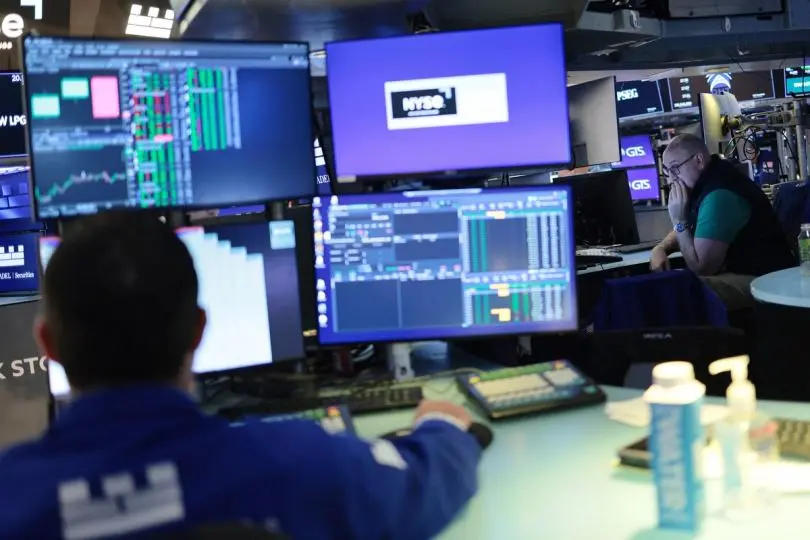
The third quarter of 2026 began with a stark divergence in markets: bitcoin (BTC) held steady above $61,000, even as momentum stocks and AI infrastructure plays suffered their worst two-day plunge since the 2020 Covid crash. The selloff, concentrated in high-flying memory and chip stocks, has sparked debate about whether capital rotations into crypto may be underway. Here are the key events and insights from the first trading day of the quarter.
Bitcoin Resilience Amid Tech Turmoil
Bitcoin climbed to $62,000 during the session, up about 5% over 24 hours, before settling near $61,500. The rebound followed a dip to $57,000 earlier in the week, which marked a cycle low for the asset. Analysts attributed the recovery to a softer-than-expected U.S. jobs report, which reduced pressure on the Federal Reserve to raise interest rates. The June nonfarm payrolls report showed only 52,000 jobs added, well below the forecast of 110,000, and the May figure was revised down to 129,000 from 172,000.
The unemployment rate dipped to 4.2% from 4.3% as the labor force participation rate fell to 61.5%. Bond yields and the dollar declined on the news, with the 10-year Treasury yield dropping four basis points to 4.46% and the 2-year yield falling five basis points. Fed Chair Kevin Warsh had already hinted at easing inflation risks in a speech at the ECB forum, which set the stage for a dovish repricing. Investors now see a lower probability of a July or September rate hike, a shift that typically benefits risk assets like bitcoin.
Meanwhile, the Japanese yen strengthened to 161.20 per dollar from a 40-year low of 162.84, triggering speculation that the Bank of Japan had intervened. Bitcoin and the yen have developed a strong positive correlation in recent months, and the yen's recovery provided an additional tailwind for the cryptocurrency.
Momentum Stocks and AI Plays Plunge
Goldman Sachs' High Beta Momo basket—comprising stocks like Micron (MU), SanDisk (SNDK), Intel (INTC), and Lam Research—plunged more than 23% over two days, its worst drop since the Covid market crash in 2020. The selloff extended to AI infrastructure companies, including semiconductor names and a group of former bitcoin miners that have pivoted to providing computing power for AI. Keel Infrastructure (KEEL), Cipher Mining (CIFR), and IREN (IREN) each fell about 10% on the day, with some now down 40% from their all-time highs.
The trigger for the AI selloff was a Bloomberg report that Meta (META) is creating a new business unit called Meta Compute to commercialize excess GPU capacity. The move challenges the assumption that AI compute capacity is scarce, raising fears of a more competitive supply environment. This was the second such shock in two weeks, following a similar rout in mid-June.
In contrast, some megacap tech stocks found buyers. Apple (AAPL) rose 4%, while Microsoft (MSFT) and Amazon (AMZN) each gained about 1.5%. However, Tesla (TSLA) fell 7% despite reporting strong June delivery numbers, as investors focused on margin concerns.
Crypto Stocks and DeFi Movers
CoinDesk 20 Index members showed mixed performance. Uniswap's UNI token surged 15% following the integration of its automated market maker on Robinhood's blockchain. Standard Chartered's head of digital asset research, Geoffrey Kendrick, wrote that partnerships between DeFi protocols and traditional brokerages could unleash a new wave of growth for the sector. He said, "These are exactly the type of partnerships I expect to come to DeFi over the next several quarters, and Uniswap specifically. The market is massively underestimating the potential for these partnerships on quality trusted DeFi protocols."
Strategy (MSTR) gained 8.15% to $101, recovering from its panic low of $81 a week earlier. Its preferred stock STRC rose 3% to just above $90. Michael Saylor's company remains the largest corporate holder of bitcoin, and its share price is closely tied to BTC movements.
Securitize (SECZ), a tokenization specialist working with BlackRock and Apollo, made its public debut on the NYSE via a SPAC merger with a Cantor-sponsored blank-check company. The stock rose 8% in its first minutes of trading, offering a litmus test for investor appetite for pure-play tokenization—a trend that brings stocks and funds onchain.
Broader Market Context: Rate Doves and Jobs Data
The soft jobs data gave ammunition to interest rate doves who had argued the market was overly hawkish. Leeker Capital CIO Quinn Thompson said, "Rate hikes are not happening," noting that the labor market is cooling and inflation will cycle lower in the coming months. Investment strategist Rosanna Prestia added that rate cuts are now the base case. One month ago, when May's job gain was originally reported at 172,000 (since revised to 129,000), Prestia had called it a one-off due to World Cup hospitality hires.
The Fed's next meeting is in July, and while a rate hike is no longer on the table, traders are pricing in a possible cut later in the year. This environment is favorable for bitcoin, which is often viewed as a barometer for liquidity and risk appetite. Matt Mena of 21Shares said the crypto asset is "well positioned for a constructive second half" and noted that a combination of improving technicals, supportive July seasonality, and stronger on-chain fundamentals makes $100,000 "increasingly within reach" by year-end if current trends persist.
Special Updates: Loeb, Binance, and Solana
Billionaire hedge funder Dan Loeb tweeted the one-word message "HODL," signaling his belief in bitcoin's long-term potential. Loeb's firm Third Point earlier this year disclosed a stake in Hut 8, though that investment was tied to the company's data center business rather than a pure bitcoin bet. Third Point lost $60 million years ago in the FTX collapse.
On the exchange front, Binance experienced over $2 billion in net outflows over the past seven days, according to CoinMarketCap data. Retail participation on the platform weakened, with daily inflows of less than 1 BTC falling to 329 BTC—the lowest level in the exchange's history, a far cry from the 2,690 BTC per day seen during the 2021 peak. Binance also faced regulatory headwinds, missing the July 1 deadline to secure authorization under Europe's MiCA framework, forcing it to withdraw its application in Greece.
Solana (SOL) was the top performer among major cryptocurrencies, gaining 10% after the introduction of a formal onchain governance system for the first time. The development marks a step toward greater decentralization and could attract more DeFi activity to the network.
In South Korea, the Kospi slid 7.9% after Samsung and SK Hynix lost a combined $290 billion in market value, again on AI chip worries. Bitcoin, however, held above $60,000, demonstrating its decoupling from the broader tech selloff.
Overall, the first day of Q3 set a tone of cautious optimism for crypto, with bitcoin benefiting from a dovish policy shift and a rotation away from overextended tech stocks. The coming weeks will be shaped by the U.S. jobs report's implications for Fed policy, ongoing DeFi and tokenization partnerships, and the resilience of bitcoin's on-chain fundamentals.
Source: Coindesk News