

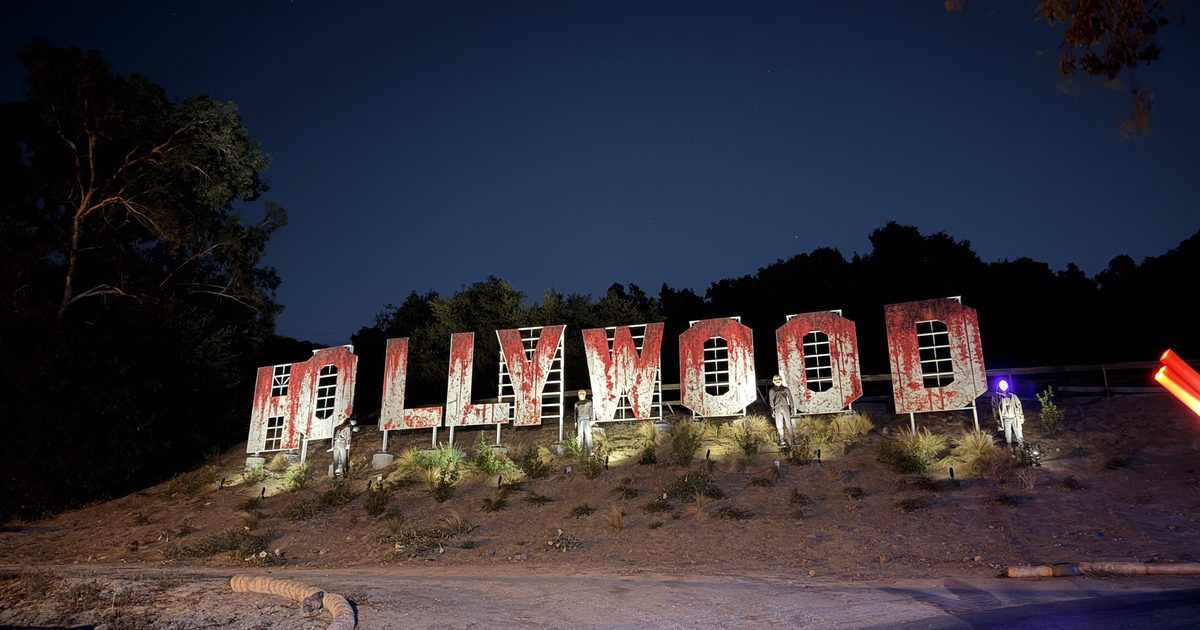
Three years after the historic 2023 strikes that raised alarms about artificial intelligence replacing entertainment workers, a surprising shift has occurred: some of those same workers are now training the very technology that once threatened their livelihoods. As film and television jobs become increasingly scarce, writers, editors, producers, and executives across Hollywood are quietly taking on gig work in AI training just to pay the bills. This emerging field, known as Reinforcement Learning from Human Feedback (RLHF), involves humans fine-tuning AI models by providing subjective judgments and creative inputs. It has become a lifeline for many in the industry, but it also raises profound questions about the future of creative labor.
Why Hollywood Workers Are Training AI
According to recent reports, editor Gabe Sena turned to AI training after a prolonged stretch of unemployment. He stated that rather than simply fear the technology, he wanted to understand it from the inside. This sentiment echoes across the industry. Former HBO development executive Steven Woolworth shared a similar motivation, describing the work as a way to stay informed rather than bury his head in the sand while his job hunt stretched on for over a year. Both found opportunities through a recruiting platform called Mercor, which pairs domain experts with AI companies that need human feedback to refine their models. This platform has become a go-to for entertainment professionals seeking alternative income streams.
The broader pattern is undeniable. Amazon, for instance, has also turned to AI to cut film and TV production costs, launching its own dedicated studio that leverages machine learning for script analysis, casting, and even visual effects. This trend is not limited to Amazon; major studios and streaming services are increasingly integrating AI into their workflows, often relying on the same human workers who once staffed traditional roles. The irony is stark: the very people who feared being replaced are now indispensable to the AI's development.
What the Work Actually Looks Like
Screenwriter Ruth Fowler provided a detailed account of her experience in an essay, describing eight grueling months and twenty contracts across five different platforms. The pay range is broad, from $16 per hour for entry-level annotation work—such as labeling images or ranking chatbot responses—up to $150 per hour for specialized writing tasks like generating dialogue or evaluating the creativity of AI-generated scripts. However, the work is far from stable. Fowler reported abrupt project cancellations with no notice, shifting pay rates that could drop without explanation, and young, inexperienced managers overseeing workers who have decades of industry experience. These managers often lack understanding of the creative nuances that make Hollywood writing unique, leading to frustrating and sometimes humiliating feedback loops.
The gig economy structure of RLHF work means that professionals must constantly search for new assignments, manage multiple contracts simultaneously, and cope with the emotional toll of training systems that may eventually render their own skills obsolete. Many workers report feeling like they are selling their expertise to a machine that will ultimately be used against them. Yet the alternative—long-term unemployment—is even less palatable in an industry where production volumes have dropped significantly since the streaming wars settled down.
The Legal and Ethical Tensions
Despite these challenges, RLHF work has expanded rapidly. AI-related job postings within the arts and entertainment sector nearly doubled between 2025 and 2026, according to industry data. This growth has occurred even as a slew of lawsuits pile up alleging worker misclassification, unpaid wages, and unstable scheduling across the gig platform ecosystem. The legal landscape remains murky, with courts weighing whether these workers should be classified as employees or independent contractors, a distinction that carries major implications for benefits and protections.
Beyond the legal issues, there is a deeper ethical tension. By training AI models to be more creative and human-like, workers are helping to accelerate the very automation that threatens their profession. This paradox is not lost on industry veterans. Even Martin Scorsese, a director long associated with traditional filmmaking, has officially joined the pro-AI camp, endorsing certain AI tools for tasks like color grading and background generation. His move signals just how far the acceptance of these technologies has spread across the industry, from blockbuster franchises to independent films.
Critics of generative AI in Hollywood, such as Vince Gilligan, the creator of Breaking Bad, have expressed understanding for why struggling workers take these gigs despite the obvious contradictions. Gilligan noted that in an environment where job stability has evaporated, people must do what they can to survive. He emphasized that the problem is not with the individual workers but with an industry that has failed to provide adequate safety nets or retraining programs for those displaced by technological change.
The Evolution of Human Feedback in AI
Reinforcement Learning from Human Feedback is not a new concept; it has been used in AI research for years to align model behavior with human values. However, its application in creative fields is relatively recent. Companies like OpenAI, Anthropic, and many smaller startups rely on RLHF to train large language models to generate coherent, engaging, and contextually appropriate responses. In the context of Hollywood, this means teaching AI how to write realistic dialogue, plot coherent stories, and even manage complex narrative arcs. Human workers evaluate the AI's outputs, ranking them by quality, providing corrections, and offering creative alternatives.
The work requires a deep understanding of narrative structure, character development, and genre conventions—the very skills that Hollywood professionals have honed over decades. This makes them uniquely suited for the task, but it also means that their expertise is being commodified in a way that devalues their original craft. Some workers have formed informal support networks to share tips on navigating the unpredictable nature of the gigs, including how to spot scams and which platforms offer more reliable payment.
Broader Implications for the Entertainment Industry
The shift toward AI training among Hollywood professionals has broader implications for the entire entertainment industry. As AI models become more sophisticated, they are increasingly used for tasks that were once the exclusive domain of humans, such as scriptwriting, casting assistance, and even directing assistance. While these tools are still far from achieving true creative autonomy, they are already reshaping production workflows. Small studios and independent filmmakers are adopting AI to reduce costs, while major studios are exploring AI-generated content as a way to fill the growing demand for streaming material.
At the same time, the labor market for traditional roles continues to shrink. The post-strike landscape saw a significant reduction in both theatrical and streaming production, as studios tightened budgets and prioritized profit margins. Many experienced professionals have found themselves overqualified for the few available positions or priced out by competitors willing to work for less. Training AI models offers a temporary solution, but it is unlikely to provide long-term career sustainability. Industry observers predict that the trend will continue unless there is a major policy intervention, such as universal basic income for creative workers or stronger union protections that extend to gig-based AI training.
Some entertainment schools have begun incorporating AI literacy into their curricula, preparing the next generation of filmmakers to work alongside machine learning tools rather than be replaced by them. Meanwhile, veteran workers are learning new skills on the job, often in isolation, as they navigate platforms that offer little support. The emotional toll is significant; many report feelings of betrayal, both from the industry they loved and from the technology they are now compelled to nurture.
Despite these challenges, the work continues. For many in Hollywood right now, training the machine has become less about curiosity and more about simply making rent. The ethical dilemmas will not be resolved overnight, but they reflect a larger conflict between innovation and tradition that defines the modern entertainment landscape. As long as the job market remains tight and AI continues to evolve, the quiet army of human trainers will likely grow, shaping the very tools that may one day render their roles obsolete.
Source: Digital Trends News