

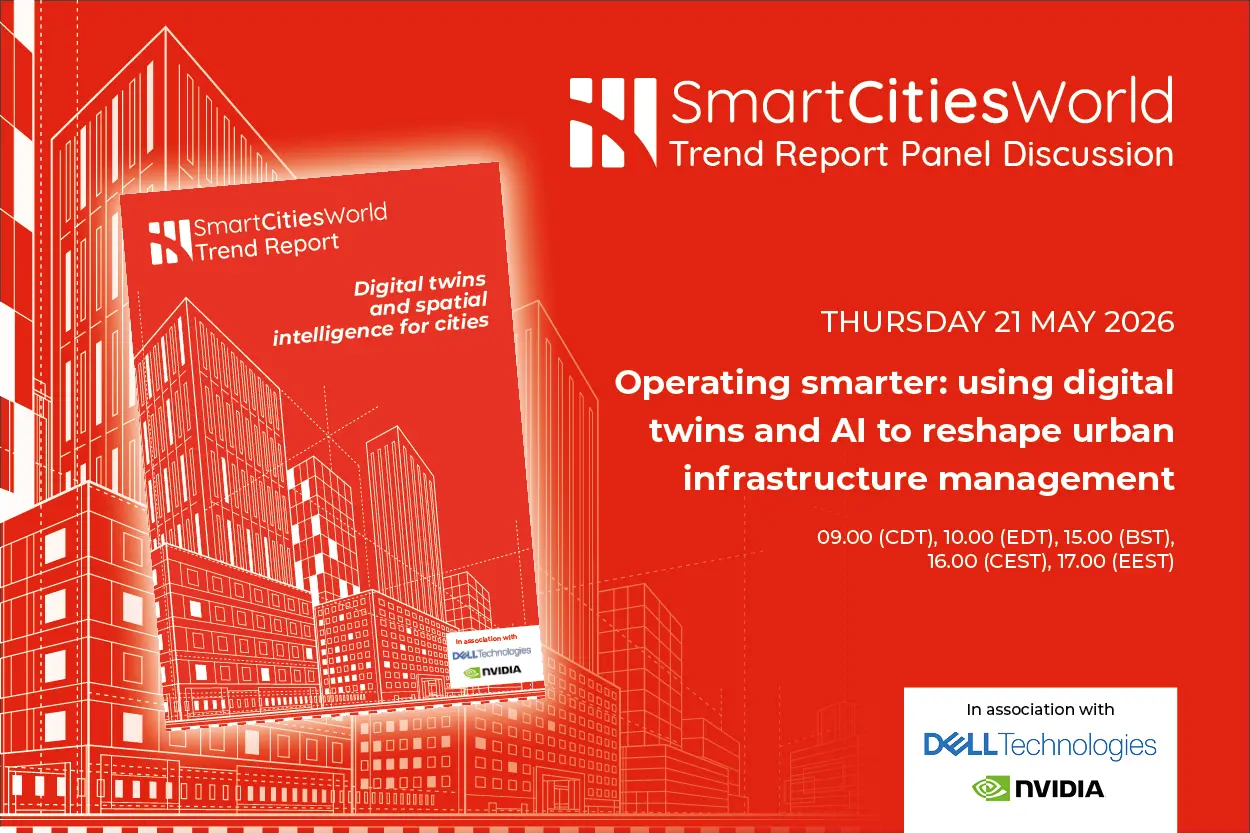
Urban leaders are turning to digital twins and artificial intelligence to rethink how cities operate, maintain infrastructure and serve communities. A major 2026 virtual summit convened experts, policymakers, technology providers and municipal teams to explore how these tools can support a more strategic, risk-based approach to infrastructure resilience. The central message was clear: the future of urban management lies in connecting people, data, infrastructure and investment into coherent, place-based strategies. Rather than treating assets in isolation, cities are beginning to use integrated simulation models to anticipate stress, prioritise maintenance and test policy choices before committing public money.
Key facts at a glance
- The 2026 virtual summit focused on using digital twins and AI for strategic, risk-based infrastructure resilience.
- Local authorities can shape energy systems through renewables, flexibility, storage and smarter networks.
- Professor Lily Kong argued cities should move beyond resilience to become regenerative, restorative and sensitive to community needs.
- Sunderland is repositioning itself as a smart city using digital infrastructure and low-carbon innovation.
- Dublin is applying digital twin projects, traffic reduction measures and economic growth strategies to improve community services.
- AI in transport depends on strong data foundations, workforce readiness and responsible governance, according to Microsoft’s Katherine Flesh.
- Smart lighting programmes must address cybersecurity and be built on secure, interoperable and future-proof streetlight networks.
- The summit brought together climate finance, resilient infrastructure, AI-enabled public services and systems thinking.
Digital twins: from reactive repairs to risk-based resilience
Digital twins are virtual replicas of physical assets, systems or entire urban environments. They combine real-time sensor data, historical records and predictive models to help cities understand current conditions and forecast future behaviour. At the summit, a dedicated panel session examined how cities can move from fixing problems after they happen to anticipating them before they disrupt services. This risk-based approach allows infrastructure managers to focus resources where they can have the greatest impact, reduce downtime and extend the life of critical assets.
For example, a digital twin of a water network can detect pressure anomalies and model pipe failure probabilities. A transport digital twin can simulate the effects of roadworks or major events on congestion. In both cases, AI helps identify patterns that human analysts might miss and recommends proactive interventions. The result is a more resilient city where maintenance is driven by data, not by emergency call-outs.
Local authorities and the future of energy systems
Another summit panel explored how local authorities can shape energy systems through renewables, flexibility, storage and smarter networks. Cities are no longer just consumers of electricity. They are becoming active managers of local generation, demand and storage. Digital tools allow city teams to plan where solar arrays and battery storage should be located, how to allocate limited grid capacity and when to shift flexible loads such as electric vehicle chargers.
This is particularly important as cities electrify transport and heating. A smart network can avoid costly grid upgrades by balancing local supply and demand in real time. The panel underlined that local leadership is essential: authorities need to set clear policy signals, streamline permitting, and work with network operators and communities to build public confidence. By integrating digital twins with energy data, cities can create a powerful planning environment for the transition to clean, affordable and reliable energy.
Beyond resilience: regenerative and restorative cities
Professor Lily Kong, President of Singapore Management University, broadened the debate by exploring how cities can move beyond resilience to become regenerative, restorative and sensitive to the needs of their communities. Resilience typically means bouncing back from shocks. A regenerative approach goes further, using recovery and renewal to create positive environmental, social and economic benefits. Kong’s remarks highlighted the importance of embedding ecological principles and social equity into urban systems.
This idea has practical consequences. Restoring degraded rivers, repurposing vacant buildings and creating green corridors can improve public health, reduce flood risk and support biodiversity. A regenerative city also listens to its residents, co-designing services with communities rather than imposing them from above. The summit’s broader discussion connected this vision to climate finance, resilient infrastructure, AI-enabled public services and systems thinking, showing how different strands of urban innovation reinforce each other.
City profiles: Sunderland and Dublin lead with digital strategies
City case studies gave concrete examples of how these ideas are being applied. Sunderland is repositioning itself as a leading smart city by using digital infrastructure and low-carbon innovation to build a resilient, future-focused economy. The city is investing in 5G and sensor networks, developing sites for clean technology companies, and using data to better manage energy, transport and public spaces. Sunderland’s approach shows that digital transformation is not reserved for global capitals; medium-sized cities can use technology to create jobs, improve services and reduce emissions.
Dublin is another example. The city is innovating to improve experiences and services for its communities through digital twin projects, traffic reduction and economic growth. Dublin’s digital twin helps planners visualise the impact of new developments, model pedestrian flows and optimise public transport. Traffic reduction measures, including extended cycling infrastructure and smarter traffic signals, are designed to make streets safer and cleaner while keeping the city economically vibrant. Together, Sunderland and Dublin demonstrate how place-based strategies can combine infrastructure investment, data innovation and community benefit.
Smart lighting: building secure and interoperable networks
Smart lighting is often the first digital infrastructure project a city undertakes because it is visible, efficient and scalable. The final episode of a dedicated series on the topic explored how global cities are approaching smart lighting and the related cybersecurity risks today. Connected streetlights can dim, brighten and report faults automatically. They can also provide a platform for sensors, cameras and public Wi-Fi. But these benefits come with risks: insecure systems can be hacked, used to disrupt lighting or compromise wider networks.
A second episode focused on the technology and considerations behind turning existing streetlight networks into secure, interoperable and future-proof infrastructure. This includes using standardised communication protocols, separating lighting controls from other network traffic, and ensuring that devices can be updated over their lifetime. Cities were urged to treat lighting not as a single asset class but as part of a broader urban digital platform. With the right architecture, streetlights can become the backbone of a city’s sensor network, supporting everything from air-quality monitoring to traffic management.
AI in transport: data foundations and responsible governance
Transport agencies are turning to AI to improve services, but the greatest opportunities will depend on strong data foundations, workforce readiness and responsible governance, according to Katherine Flesh of Microsoft. She argued that AI models are only as good as the data they learn from. Inconsistent data, siloed systems and poor data quality can undermine algorithmic decision-making. Agencies must therefore invest in data governance, standardised formats and data-sharing agreements across departments and with private operators.
Workforce readiness is equally important. Transit staff need training to interpret AI outputs, question assumptions and intervene when models behave unexpectedly. Responsible governance includes clear rules on accountability, privacy and transparency. A separate panel discussion on unlocking value in cities from buildings, data and AI reinforced this point. The built environment generates huge amounts of data, but much of it is unstructured and inaccessible. By combining building information models with AI, cities can improve energy efficiency, space utilisation and maintenance planning. The potential value is enormous, but it is unlocked only through deliberate collaboration between public authorities, property owners, technology companies and data custodians.
Events and resources for urban innovators
The summit also showcased practical resources and future events. Ecomondo discussed the priorities shaping healthier, more sustainable cities and explained why the gathering offers a valuable platform for sharing practical solutions and building new connections. For those unable to attend live, an on-demand trend report webinar focused on how AI and data are transforming transport operations and services. These sessions are designed to help city teams apply digital innovation within their own budgets and capacities.
Weekly and daily editorial newsletters keep subscribers updated with the latest news items, city interviews, special reports and guest opinions. These curated updates help professionals monitor emerging technologies, policy changes and successful projects around the world. The consistent message from the summit is that digital twins, AI and connected infrastructure are not ends in themselves. They are tools for making cities more resilient, sustainable and responsive. The most successful cities will be those that combine bold technology investment with strong governance, skilled workforces and genuine community engagement.
Source: Smart Cities World News