

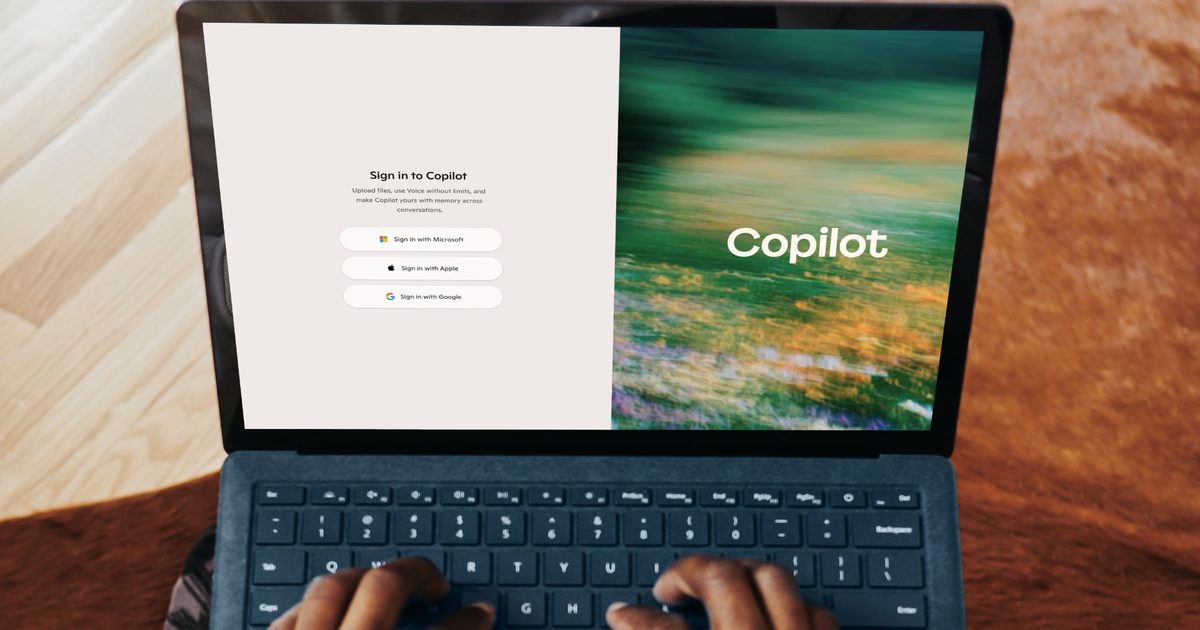
Microsoft is moving toward a more unified artificial intelligence experience. During the company's latest earnings call, CEO Satya Nadella confirmed that Microsoft is building a Copilot super app designed to bring its entire portfolio of AI tools under one roof. The announcement follows months of speculation that the company was quietly working on a more integrated product for both consumers and business customers.
What exactly is Microsoft building?
Nadella described Copilot as having evolved quickly from a simple chat tool into a broader workspace that includes Cowork, a collaborative AI environment, and Autopilots, Microsoft's term for autonomous agents capable of handling long-running tasks without constant human supervision. The planned super app is expected to combine these capabilities into a single application, reducing the need to jump between separate products for writing, coding, managing meetings, or automating busy work.
The executive did not provide a precise launch date beyond saying the app would arrive this year. He described it as a major step forward and said the goal is to make the super app the flagship experience that people in different roles can use every day. The phrasing suggests that Microsoft sees the app as more than just another feature update; it is intended to become the central front door to the company's AI offerings.
This is not a completely new idea. Fortune reported in May that Microsoft had been working on a super app behind the scenes. Nadella's comments on Wednesday essentially confirmed that reporting, even though he did not offer many technical or commercial details. The lack of specifics on pricing, rollout, and the future of standalone apps left room for speculation, but the company's direction is now clear.
Why is Microsoft consolidating its AI tools?
Microsoft's journey with Copilot began with a chatbot embedded in Windows and Microsoft 365. Since then, the brand has expanded into GitHub Copilot for developers, Copilot Studio for building custom assistants, and several other specialized tools. This rapid expansion has created a fragmented user experience. A single super app would address the fragmentation by providing one place for users to access chat assistance, invite a coworker to collaborate on a task, and launch an autonomous agent to handle background work.
The timing also matters. The AI software market is becoming crowded, and several major companies are racing to become the default destination for AI interactions. Anthropic's Claude already offers an application that combines multiple tools into one interface. OpenAI recently introduced ChatGPT Work, an app that merges ChatGPT with the Codex coding assistant. Microsoft's super app appears to be a direct response to these moves.
Super apps have long been popular in Asia, with platforms like WeChat serving as all-in-one destinations for messaging, payments, shopping, and government services. In the West, the super app model has been harder to build, but AI may change that. If a single app can handle email, documents, meetings, code, and autonomous tasks, it becomes much more valuable than a collection of separate utilities. Microsoft has a unique advantage because it already owns many of those utilities across Windows, Office, GitHub, and Teams.
A shift toward autonomous agents
Autonomous agents, or Autopilots, are an important part of the story. Nadella described them as agents that can run long tasks on their own. This could mean an agent that scans emails, schedules meetings, composes reports, or updates a CRM system while the user focuses on other work. OpenAI has also been pushing in this direction with tools that can use a computer on behalf of a user. Microsoft's super app may be the place where these agents become mainstream. If a user can launch a series of tasks from a single app and then monitor the results in one dashboard, the value proposition becomes much stronger than a standalone chatbot.
Cowork is Microsoft's name for a shared AI workspace where people can work together with Copilot on documents, spreadsheets, and presentations. It is not yet a familiar term to most users, but it appears to be central to Microsoft's collaboration strategy. A super app that includes Cowork would allow teams to use Copilot as a live participant in a project, rather than as a separate assistant that only responds to direct prompts. That would be a meaningful change in the way people interact with AI at work.
The competitive landscape is heating up
Microsoft is not the only company chasing the AI super app dream. Anthropic's Claude app already combines several capabilities into a single interface, making it easy for users to switch between chat, document analysis, and other AI-powered tasks. OpenAI's ChatGPT Work app similarly merges the popular ChatGPT assistant with Codex, its coding tool. These competitors want to be the first app people open when they need to write an email, generate a slide deck, or debug a program.
Microsoft's existing scale gives it a significant head start. The company says Copilot already has more than 30 million paid seats. That installed base gives Microsoft a large audience that could be migrated to the new super app, immediately giving it a strong user base. It also means the company has already proven that people are willing to pay for Copilot features, which could make the transition to a unified app easier.
But there are real challenges. Consumer products and enterprise software often have different requirements, particularly around security, administrative controls, compliance, and data governance. Building one app that satisfies both audiences will require careful design. A consumer may want a simple, colorful chat interface, while an IT department may need robust policy options, audit logs, and role-based permissions. Microsoft has experience serving both markets, but combining them into a single product is a complicated task.
What happens to existing apps?
Microsoft has not said what will happen to individual apps such as the main Copilot app, GitHub Copilot, or Copilot Studio when the super app launches. Some products may be folded directly into the new experience, while others might remain available for specialized use cases. The transition could be gradual. Microsoft has a history of keeping older tools alive during migrations, so existing extensions and plugins will likely continue to work for some time.
For developers, the super app could open the door for third-party integrations, applets, and personalized workflows. Microsoft has built large ecosystems around Windows, Office, and Azure, and it could do the same with Copilot. If the super app allows developers to build plugins or custom agents, it could become a platform of its own. OpenAI's GPT Store and Anthropic's Claude app have already attempted to create similar ecosystems, though with varying degrees of success.
Pricing remains unclear. Microsoft currently sells Copilot subscriptions through several tiers, including consumer plans and enterprise plans. The super app could be included in existing subscriptions or offered as a separate premium product. The wording of Nadella's comments suggests that the app will be a seamless extension of the Copilot brand rather than a completely new product. That would make it easier for existing customers to start using it without learning a new name or billing structure.
Privacy, security, and user trust
There are also privacy and security questions. Combining multiple AI tools into one app means that more user data will flow through a single interface. Microsoft has already faced scrutiny over its data collection practices in Windows and cloud applications. The new app will need strong privacy controls, transparent data policies, and enterprise-grade security to win over skeptical users and corporate buyers.
Another concern is the potential for vendor lock-in. If users rely on one super app for all their AI needs, they may be less willing to switch to a competitor later. This is good for Microsoft but could be uncomfortable for users who prefer a more open ecosystem. Regulators in Europe and the United States have been watching the AI market closely, and a dominant super app could draw additional antitrust scrutiny.
Despite these concerns, the direction is clear. Microsoft has been weaving AI into every layer of its products, from the operating system to the cloud. The super app is the logical next step in that strategy. It brings together the company's consumer and enterprise ambitions, centralizes the Copilot experience, and gives users a consistent way to interact with autonomous agents. The competition from Anthropic and OpenAI will only push Microsoft to move faster.
The window between Microsoft's announcement and the expected launch this year is likely to bring a wave of additional details, including integrations, hardware compatibility, and maybe an early preview. Until then, users can expect Microsoft to keep refining Copilot across the small, individual tools they see today. The super app represents the logical end point of that journey: one AI assistant, one unified experience, and one less app to keep track of.
Source: Digital Trends News